Learn why alarm contact list management matters for business security and how updated contacts help prevent delays, missed alerts, and confusion.

Who Gets the Call? Why Outdated Alarm Contact Lists Create Problems for your Business

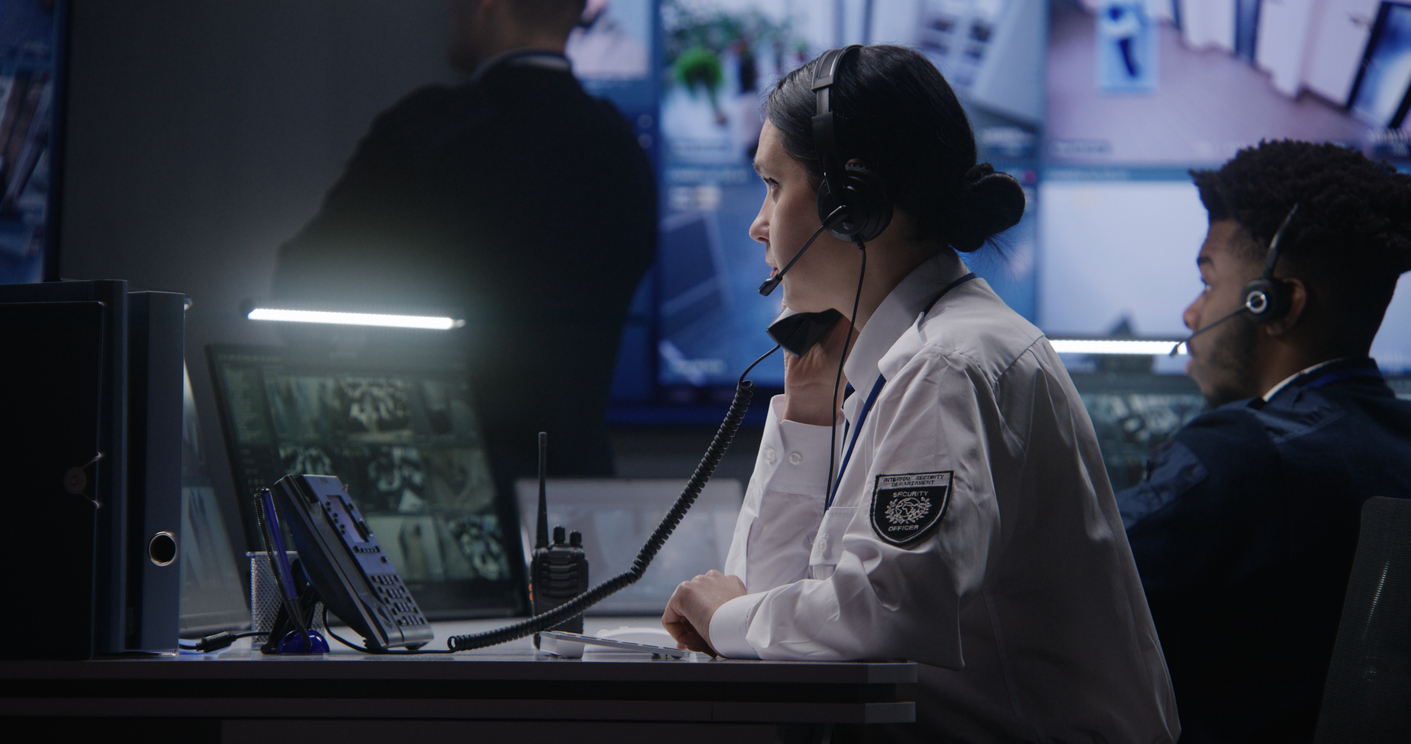
When a business alarm activates after hours, someone needs to know about it. Whether the alert involves a possible break-in, a system issue, or another security concern, reaching the right person is an important part of the response process. However, what happens when the monitoring center calls an employee who no longer works for the...


Improve workplace safety after dark with tips for parking lot lighting, employee security, surveillance cameras, and after-hours building access.

When the Workday Outlasts the Sun: Staying Safe After Dark

As fall turns into winter, many employees find themselves leaving work after sunset. A parking lot that was bright at 5 PM just a few weeks earlier may now be completely dark. Although business hours and employee schedules remain the same, shorter days can introduce new safety concerns. Poor lighting, limited visibility, and quieter surroundings...

Plan your business security budget for the year ahead with tips for prioritizing camera upgrades, access control, maintenance, and security improvements.

Security Planning for the Year Ahead: Budgeting and Upgrades

As the year comes to an end, many businesses begin reviewing expenses, evaluating performance, and preparing budgets for the months ahead. However, one area that should not be overlooked is physical security. Security cameras, access control systems, intrusion alarms, and monitoring services all play important roles in protecting commercial properties. Over time, however, equipment can...

Learn how video surveillance for business fraud prevention helps protect against false claims, document incidents, and secure valuable evidence.

False Claims and Fraud: Using Video to Protect Your Business

A customer reports an injury at your business. An employee disputes the details of a workplace accident. A delivery driver claims merchandise was damaged on your property. When these situations arise, having reliable evidence can make a significant difference. False claims, misunderstandings, and fraudulent activity can create financial and legal challenges for businesses. Without proper...

Learn how visitor management systems help businesses control facility access, track guests, manage temporary credentials, and strengthen workplace security

Visitor Management Systems: Controlling Who Enters Your Business

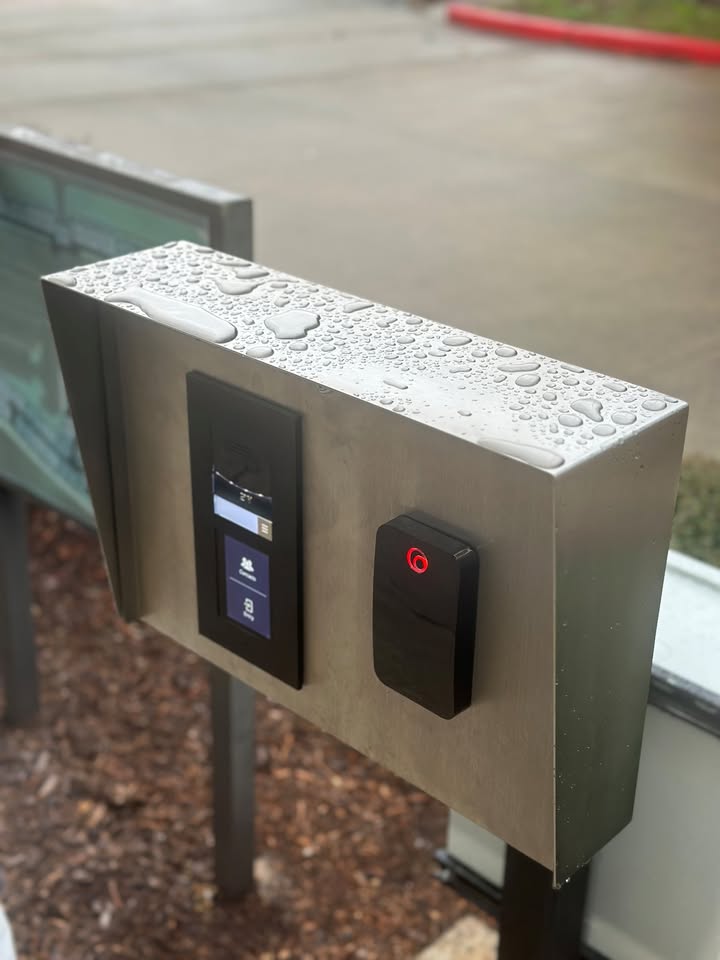
Employees are not the only people who enter a business each day. Customers, vendors, contractors, delivery drivers, job candidates, maintenance workers, and other visitors may all need temporary access. However, allowing visitors into a facility can create security challenges. Who authorized the visit? Where is the visitor allowed to go? How long should they remain...

Learn the warning signs of phishing and business email compromise, including fake payment requests, suspicious links, spoofed addresses, and urgent emails.

Phishing and Business Email Compromise: What to Watch For

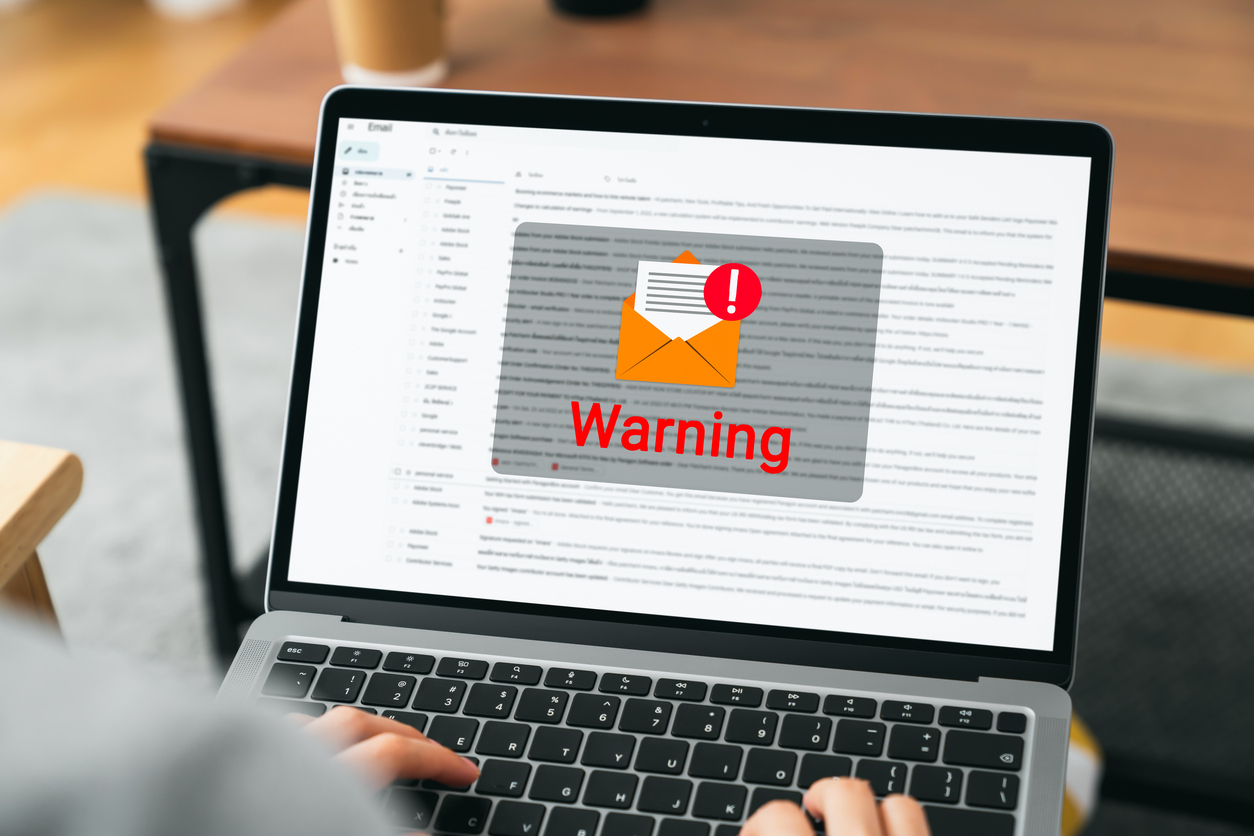
Email is essential for most businesses. Employees use it to communicate with customers, approve purchases, receive invoices, share documents, and manage daily operations. Unfortunately, criminals know how much businesses rely on email too. Phishing and business email compromise (BEC) scams are designed to make fraudulent messages appear legitimate. An email may look like it came...

Could your security footage provide useful evidence after an incident? Learn what businesses should know about camera placement, video quality, storage, and access.

When Security Footage Becomes Evidence: Are You Covered?

Security cameras can help businesses monitor entrances, parking lots, inventory, employees, and other important areas. However, their value can become even more apparent after an incident occurs. A theft, break-in, vandalism incident, accident, or workplace dispute may leave business owners searching through recorded video for answers. At that point, simply having cameras may not be...

Learn how to reduce lithium-ion battery fire risks at your business with safer charging, storage, employee training, disposal, and fire detection.

Lithium-Ion Battery Fire Risks: Safety Tips for Businesses

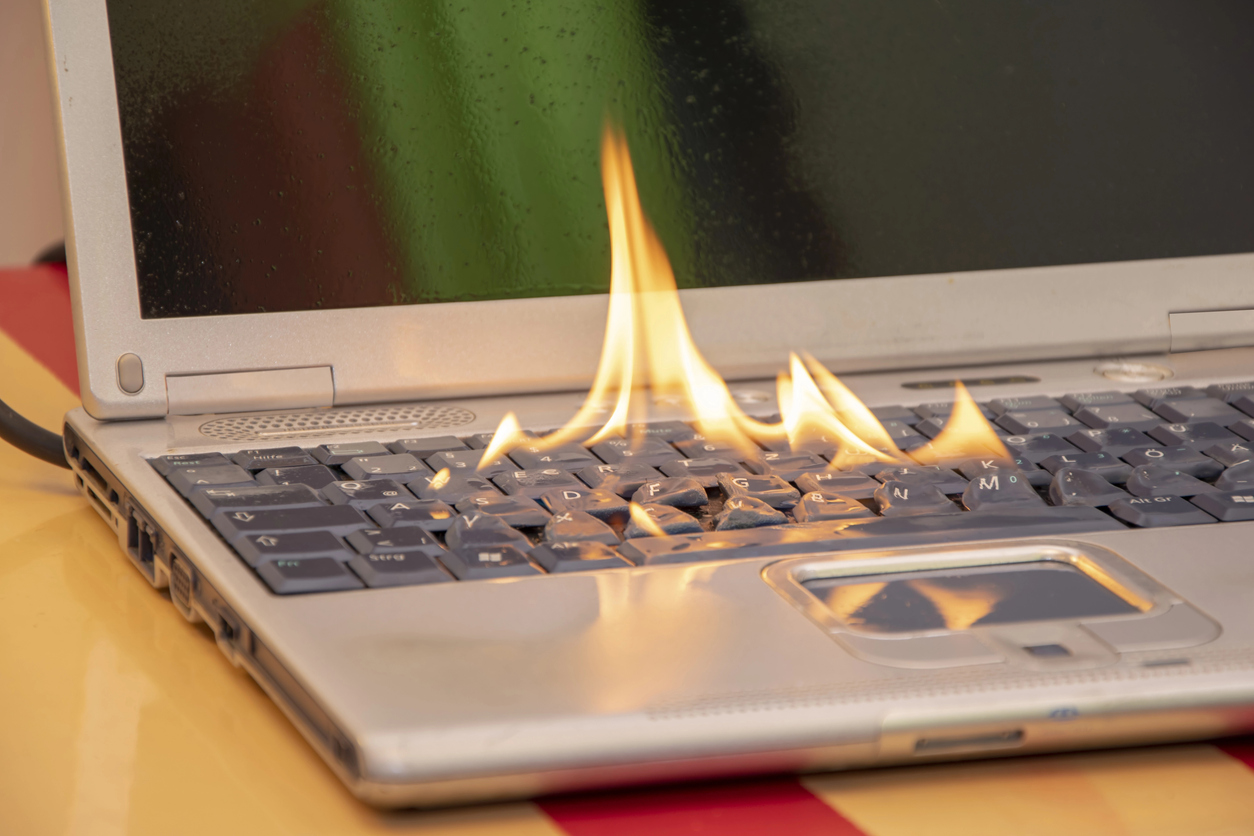
Lithium-ion batteries have become a normal part of the workplace. They power laptops, phones, cordless tools, mobile equipment, cameras, and many other rechargeable devices. However, these batteries can also create a serious workplace fire risk. Damage, improper charging, excessive heat, or incorrect storage can cause a lithium-ion battery to overheat or fail. Therefore, understanding lithium-ion...

Severe Weather and Property Protection Strategies for Businesses

Severe weather can create problems for a business long after the storm has passed. High winds, flooding, hurricanes, tornadoes, and power outages can damage a facility, interrupt operations, and leave property vulnerable. Business owners cannot control the weather, but they can prepare for it. A good severe weather plan should address employee safety as well...

Learn how crisis response planning can help businesses protect employees and facilities through clear communication, preparation, and security.

Crisis Response Planning for Employees and Facilities

An emergency at your business can happen with little or no warning. Severe weather, fire, a security threat, power failure, or another unexpected event can quickly disrupt a normal workday. When that happens, employees should not have to guess what to do. A clear crisis response plan can help your team act quickly while protecting...

Pin It on Pinterest

Website Designed by LOGO-img