
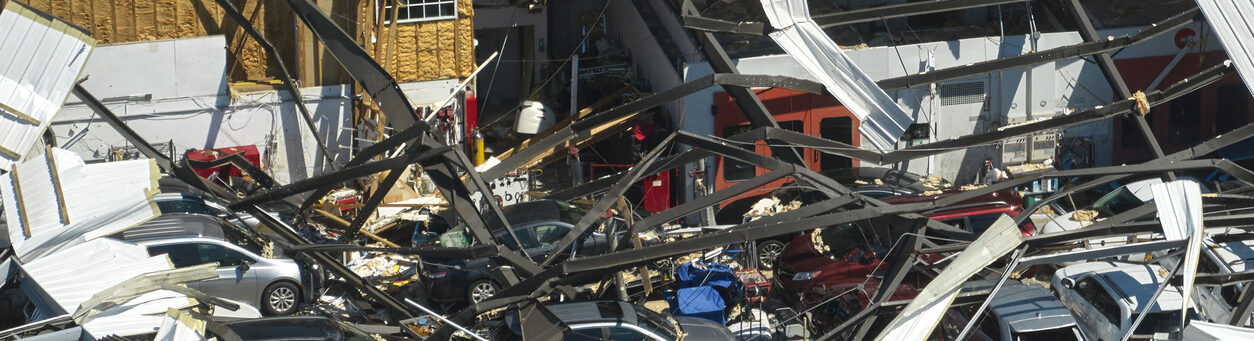
Business Continuity Planning: Security’s Role in Disaster Preparedness
Disasters rarely arrive with much warning. Whether it’s a hurricane, fire, cyberattack, extended power outage, or another unexpected event, businesses that are unprepared often face costly downtime, damaged assets, and lost customer confidence. While many organizations focus on recovering operations after an emergency, one critical component is sometimes overlooked: physical security.
A well-designed security system is more than a deterrent against crime. It plays an important role in a comprehensive business continuity plan by helping protect people, property, and critical operations before, during, and after a disruptive event.
What Is Business Continuity Planning?
Business continuity planning (BCP) is the process of preparing an organization to continue essential operations during and after a disruption. An effective plan helps businesses identify potential risks, protect critical assets, minimize downtime, and recover as quickly as possible when an unexpected event occurs.
Business continuity goes beyond backing up computer systems or purchasing insurance. It involves evaluating risks, establishing emergency procedures, identifying essential business functions, assigning responsibilities, and ensuring employees know how to respond during a crisis.
The U.S. Department of Homeland Security’s Ready Business program provides an excellent overview of emergency planning for businesses, including guidance on developing emergency response, continuity, and recovery plans.
While technology recovery often receives significant attention, physical security is just as important to keeping operations running.
Why Physical Security Matters During a Disaster
When disaster strikes, your security systems become part of your response strategy.
Access control systems help limit entry to authorized personnel, even if your facility is operating with reduced staff. This helps prevent theft, vandalism, or unauthorized access during periods of confusion or evacuation. Modern cloud-based access control systems also allow administrators to manage permissions remotely, making it easier to secure a building without being physically on site.
Video surveillance provides valuable visibility when employees cannot immediately return to a property. Business owners and managers can remotely monitor conditions, verify the safety of facilities, and document damage for insurance claims or investigations.
Intrusion detection systems continue protecting your building even when normal business operations are interrupted. During disasters, vacant buildings often become more vulnerable to break-ins and theft. A professionally monitored alarm system helps ensure suspicious activity is quickly detected and reported.
Preparing Before an Emergency Happens
An effective disaster preparedness strategy starts long before an emergency occurs.
Business owners should conduct a security assessment to identify vulnerabilities that could affect operations during a crisis. Questions to consider include:
- Who can access the building during an emergency?
- Can security systems continue operating during a power outage?
- Are surveillance cameras monitoring all critical entry points?
- Is remote access available for authorized personnel?
- Have emergency contact lists and user permissions been reviewed recently?
Many businesses discover outdated credentials, inactive employees with building access, or gaps in camera coverage only after an incident occurs. Regular reviews can identify these issues before they become costly problems.
The Value of Integrated Security Systems
One of the biggest advantages of modern commercial security is integration.
Rather than relying on separate alarm, camera, and access control systems, integrated security solutions allow these technologies to work together. For example, if an unauthorized person attempts to enter a restricted area during an emergency, the access control system can trigger an alarm while simultaneously recording video of the event.
Integrated systems also provide centralized management, making it easier for business owners and facility managers to respond quickly during rapidly changing situations. Integrating access control, surveillance, and alarm systems can strengthen your overall business continuity strategy while improving day-to-day security.
If your business is considering upgrading its physical security, visit our site.
Business Continuity Is an Ongoing Process
Creating a business continuity plan is not a one-time project.
Facilities change. Employees come and go. Technology evolves. New threats emerge every year.
Regular testing, employee training, system maintenance, and security updates all contribute to a stronger continuity strategy. Businesses that review their plans annually are better positioned to respond confidently when unexpected events occur.
The goal is not to predict every possible disaster. It is to build systems and procedures that allow your organization to continue operating safely, protect valuable assets, and recover as efficiently as possible.
Protect Your Business Before the Unexpected Happens
A comprehensive business continuity plan is strongest when physical security is included from the beginning. Whether you’re upgrading access control, improving video surveillance, or enhancing intrusion detection, the right security systems can help reduce downtime and support faster recovery when disaster strikes.
At Cultris Security Systems, we design customized commercial security solutions that help businesses prepare for the unexpected while protecting employees, facilities, and valuable assets. Call 281-506-8466 today or contact us online through www.cultrissecurity.com to learn how we can help strengthen your business continuity strategy with reliable, professionally installed security systems.