
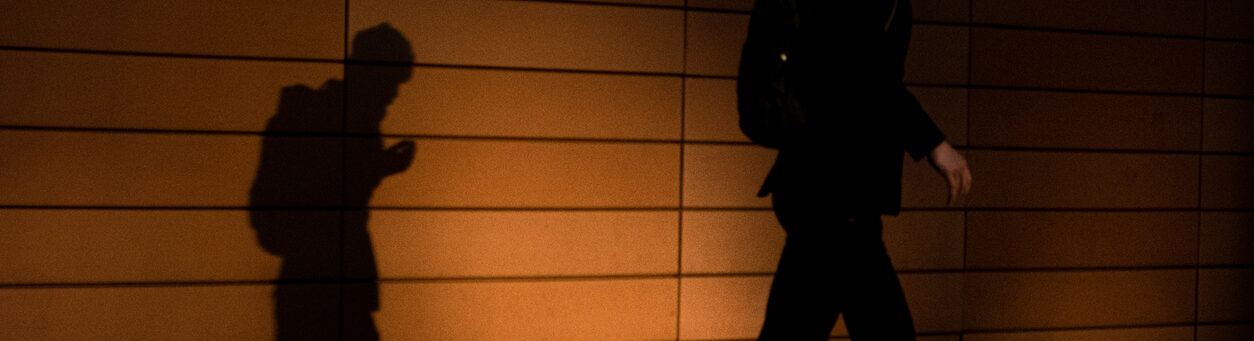
When the Workday Outlasts the Sun: Staying Safe After Dark
As fall turns into winter, many employees find themselves leaving work after sunset. A parking lot that was bright at 5 PM just a few weeks earlier may now be completely dark.
Although business hours and employee schedules remain the same, shorter days can introduce new safety concerns. Poor lighting, limited visibility, and quieter surroundings may make familiar workplaces more difficult to navigate.
That’s why workplace safety after dark deserves attention. By reviewing exterior lighting, employee procedures, and commercial security systems, businesses can help create a safer environment during the darker months.
Why Workplace Safety After Dark Matters
Earlier sunsets can change the conditions employees experience when arriving at or leaving work.
For example, parking lots, sidewalks, loading docks, and building entrances may become harder to navigate when natural light disappears.
Additionally, employees working late may encounter fewer coworkers or visitors around the property.
The Occupational Safety and Health Administration (OSHA) identifies working late at night and working alone or in isolated areas as factors businesses should consider when evaluating workplace violence risks.
Therefore, employers should review how seasonal changes affect their properties and employees.
Improve Parking Lot Lighting and Visibility
Parking lots are among the most important areas to evaluate when daylight hours decrease.
Poor lighting can make it difficult for employees to identify obstacles, approaching vehicles, or unusual activity.
Before the darker months arrive, businesses should inspect exterior lighting throughout their properties.
Pay particular attention to:
- Employee and visitor parking spaces
- Building entrances and exits
- Sidewalks and pedestrian crossings
- Parking garages and stairwells
- Loading docks and delivery areas
- Walkways between buildings
Additionally, trim landscaping that blocks lights or creates unnecessary blind spots.
Replacing burned-out fixtures and adjusting lighting coverage can help improve visibility without requiring major property changes.
Establish Safer Procedures for Employees Leaving Late
Employees who work late may leave the building when fewer people are present.
As a result, businesses should consider establishing clear procedures for after-hours departures.
For example, employees may benefit from walking to parking areas with a coworker when possible.
Other practical precautions include:
- Encouraging employees to park in well-lit areas
- Keeping frequently used exits properly illuminated
- Establishing check-in procedures for employees working alone
- Making sure employees know how to report suspicious activity
- Reviewing emergency contact and response procedures
Supervisors should also communicate these expectations before seasonal daylight changes affect normal closing routines.
Review Commercial Security Camera Coverage
Video surveillance can help businesses monitor activity around entrances, parking lots, and other important areas.
However, cameras that provide clear images during daylight may perform differently after sunset.
For example, shadows, headlights, and insufficient lighting can affect recording quality.
Therefore, business owners should review nighttime footage from their video surveillance systems to identify potential coverage problems.
Consider whether cameras clearly capture activity nearby:
- Employee entrances
- Parking lots and garages
- Loading docks
- Exterior storage areas
- Restricted entrances
Depending on the results, adjusting camera positions, lighting, or equipment settings may improve nighttime visibility.
Strengthen Building Access After Business Hours
Earlier darkness can also make building access procedures more important.
Employees may be entering or leaving the property when fewer people are nearby. Meanwhile, delivery drivers, cleaning crews, and contractors may still need access outside regular business hours.
Businesses should review which doors remain unlocked and who is authorized to enter restricted areas.
Access control systems can help manage entry permissions and reduce unnecessary access to sensitive spaces.
Additionally, remind employees not to prop open secured doors for convenience.
These precautions can help maintain consistent security even when business operations extend beyond daylight hours.
Conduct an After-Dark Workplace Safety Inspection
A daytime security inspection may not reveal every potential problem.
For that reason, businesses should evaluate their properties after sunset.
Walk through the areas employees and visitors regularly use. Look for dark corners, damaged lighting, blocked camera views, and entrances that are difficult to monitor.
Also, consider whether someone leaving the building can clearly see the path to their vehicle.
Document any concerns and assign responsibility for addressing them.
Regular inspections can help businesses identify seasonal security needs before they become larger problems.
Keep Your Workplace Safe When the Sun Sets Earlier
Shorter days do not have to disrupt business operations. However, they provide an important reminder to review workplace security and employee safety.
By improving exterior lighting, checking surveillance coverage, strengthening access control, and establishing clear after-hours procedures, businesses can help reduce risks associated with earlier darkness.
Cultris Security Systems helps Houston-area businesses improve property security with commercial video surveillance, access control, intrusion detection, and professional alarm monitoring solutions. Call 281-506-8466 or visit www.cultrissecurity.com to learn how we can help protect your employees and property after dark.