-
When Security Footage Becomes Evidence: Are You Covered?
Security cameras can help businesses monitor entrances, parking lots, inventory, employees, and other important areas. However, their value can become even more apparent after an incident occurs. A theft, break-in, vandalism incident, accident, or workplace dispute may leave business owners searching through recorded video for answers. At that point, simply having cameras may not be…
-
Business Continuity Planning: Security’s Role in Disaster Preparedness
Disasters rarely arrive with much warning. Whether it’s a hurricane, fire, cyberattack, extended power outage, or another unexpected event, businesses that are unprepared often face costly downtime, damaged assets, and lost customer confidence. While many organizations focus on recovering operations after an emergency, one critical component is sometimes overlooked: physical security. A well-designed security system…
-
The “I’ll Be Right Back” Problem: Short Absences That Lead to Long-Term Loss
Most business owners have said it at one time or another: “I’ll be right back.” Whether it’s stepping into the warehouse, helping a customer, grabbing supplies, or running a quick errand, leaving a business unattended for just a few minutes may not seem like a big deal. Unfortunately, those brief moments are often all it…
-
Dumpster Diving Isn’t Dead: What Businesses Throw Away Matters
When most business owners think about security, they focus on protecting what stays inside the building. Access control systems, surveillance cameras, alarms, and locks all play an important role in keeping unauthorized people out. But what about the information your business throws away? While it may sound like something from an old detective movie, dumpster…
-
When Systems Are Ignored: Cameras That No One Is Watching
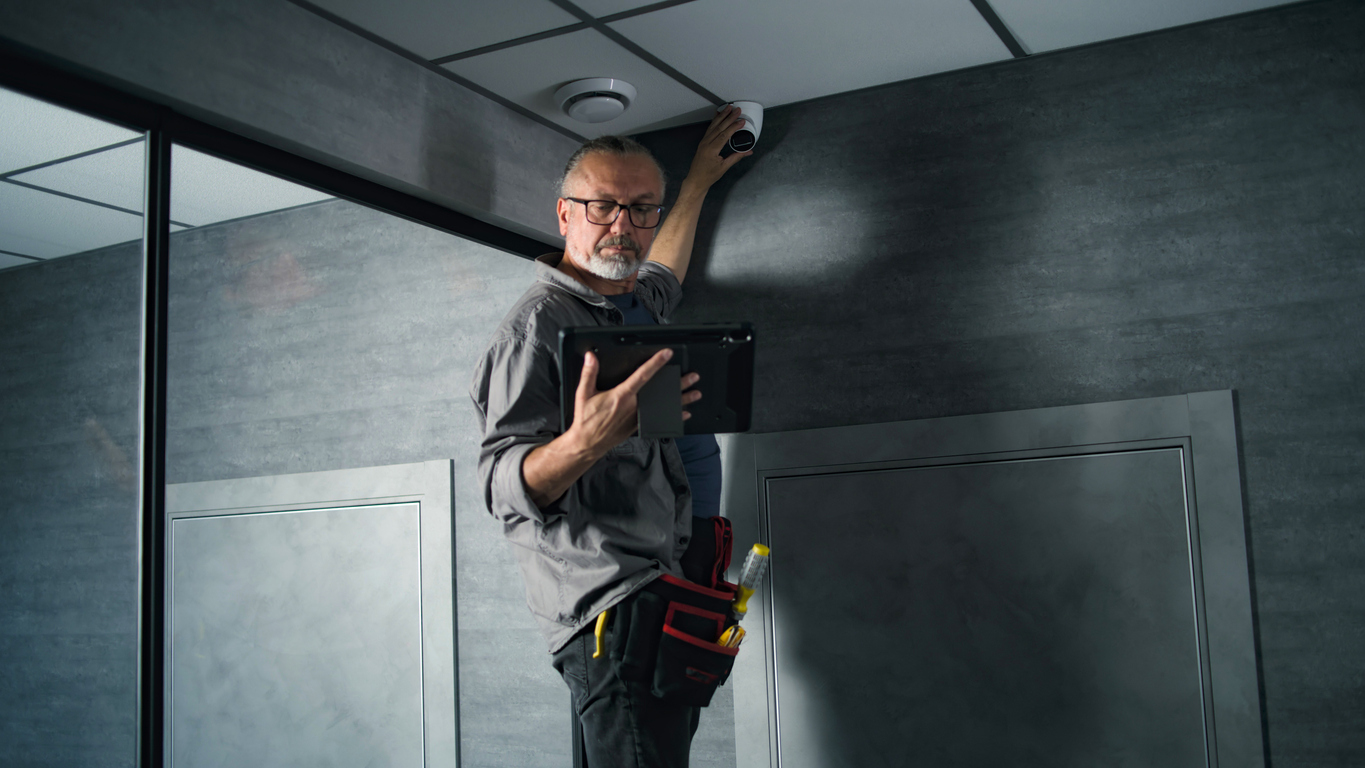
Installing security cameras is an important investment, but simply having cameras on your property does not guarantee your business is protected. Too often, companies spend thousands of dollars on surveillance systems only to rarely check them, maintain them, or even verify they are working properly. The result is a false sense of security. A surveillance…
-
Tailgating Isn’t Just at Doors: How Unauthorized Access Really Happens
When most people hear the word tailgating, they picture someone slipping through a secured door behind an employee. While that certainly happens, unauthorized access often begins in much less obvious ways. A visitor walks through an open loading dock, a contractor is waved into a restricted area without verification, or someone follows a group of…
-
Brand Impersonation and Online Fraud: Is Your Business the Next Target?
Most business owners spend a great deal of time protecting their buildings, equipment, and employees. What many don’t realize is that one of the biggest threats to their business may never set foot on the property. Today, criminals can copy your company logo, create fake social media accounts, send emails that appear to come from…
-
When No One’s Watching: After-Hours Behavior Inside Your Business
Most business owners spend a significant amount of time thinking about external threats. They invest in locks, alarms, cameras, and access control systems designed to keep unauthorized individuals out. However, some security risks occur after the doors are locked and the building appears empty. After-hours activity inside a business can present challenges that often go…
-
Parking Lot Security: Preventing Break-Ins and Liability Issues
For many businesses, security begins long before someone walks through the front door. Parking lots are often the first and last point of contact for employees, customers, vendors, and visitors. Unfortunately, they can also be one of the most overlooked areas when it comes to security. Vehicle break-ins, property damage, theft, and safety incidents frequently…
-
Tailgating Isn’t Just at Doors: How Unauthorized Access Really Happens
When most people hear the term “tailgating” in a security context, they picture someone slipping through a secured door behind an employee. While that is certainly one form of unauthorized access, it is far from the only way it happens. In many businesses, unauthorized access occurs through everyday situations that seem harmless at the time….