
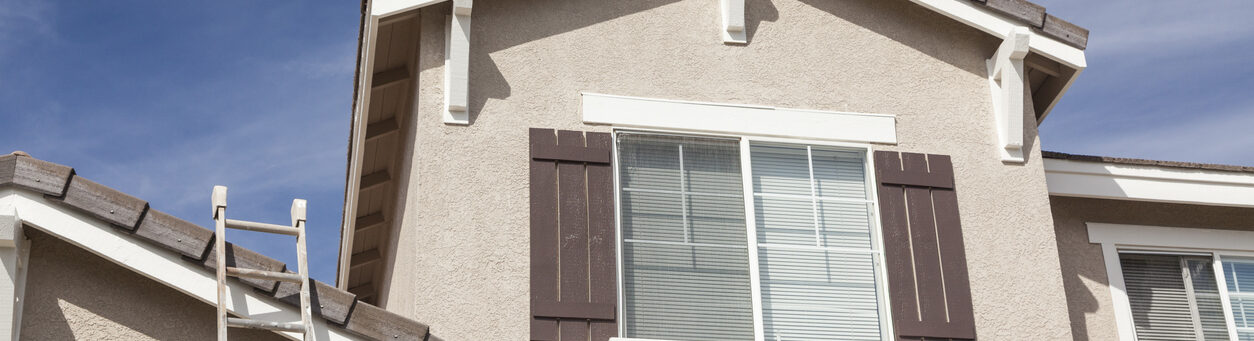
Securing the Second Floor: What Recent Break-In Trends Mean for Homeowners
A Changing Approach to Home Break-Ins
Recent reports in the Houston area have highlighted a concerning trend in residential burglaries. In some cases, organized groups are targeting homes in higher-end neighborhoods and using ladders or available tools to access second-story windows and doors.
These second floor home break-ins can catch homeowners off guard. Not suprisingly, many people focus their security efforts on ground-level entry points, assuming upper floors are less vulnerable. Unfortunately, that assumption can create an opportunity.
As you would expect, understanding how these break-ins happen is the first step in preventing them.
Why Second-Story Entry Works
Second-floor access is often overlooked in home security planning. For example, criminals may use:
- Ladders found on the property
- Construction equipment or tools left outside
- Nearby structures such as fences or balconies
Once elevated, they may attempt entry through:
- Unlocked windows
- Balcony doors
- Less-secured rear-facing access points
Because these areas are not always visible from the street or monitored by cameras, they can provide a level of concealment.
Secure Your Tools and Equipment
One of the simplest ways to reduce risk is to control what is available on your property.
Ladders, tools, and equipment left outside can be used to for second floor home break-ins. Even items intended for routine maintenance can become a security concern.
Best practices include:
- Storing ladders in a locked garage or shed
- Securing tools when not in use
- Avoiding leaving equipment outside overnight
- Being mindful of temporary projects that involve exterior access
Removing easy access points can discourage opportunistic attempts.
Do Not Overlook Second-Floor Windows and Doors
Many homeowners are diligent about locking doors and windows on the first floor but may leave second-story windows unlocked.
Any accessible window or door should be treated as a potential entry point.
Make sure to:
- Lock all windows, including those on upper floors
- Secure balcony and patio doors
- Check locks regularly for proper function
Even when you are home, keeping these areas secured adds an important layer of protection.
Add Sensors Where It Matters
Modern alarm systems are not limited to ground-level entry points. Sensors can and should be installed on:
- Second-floor windows
- Balcony doors
- Rear-facing access points
If a window or door is opened unexpectedly, the system can trigger an alert immediately. Include glassbreak detection on all fixed windows as burglaries will not hesitate to break the window to gain access.
This added coverage ensures that all parts of the home are protected, not just the most visible areas.
Improve Visibility Around the Home
Criminals often look for areas that are hidden from view. Improving visibility can reduce this advantage.
Consider:
- Installing exterior lighting around side and rear areas
- Trimming landscaping that blocks sightlines
- Adding motion detecting cameras that cover upper-level access points
Visibility and awareness work together to deter unwanted activity.
A Layered Approach to Home Security
No single solution prevents every risk. The most effective approach combines multiple layers of protection:
- Physical security such as locks and secured equipment
- Detection through alarm sensors and monitoring
- Visibility with cameras and lighting
At Cultris Security Systems, we help homeowners design comprehensive security systems that cover the entire property, including often-overlooked areas like second-story access points.
Stay Aware and Stay Prepared
Security trends evolve, and so should your approach to protecting your home. Taking a few proactive steps can help reduce vulnerability and improve overall safety.
If you want to make sure your home is fully protected from ground level to second story, call Cultris Security Systems at 281-506-8466 or visit www.cultrissecurity.com to learn how we can help secure every entry point of your home.